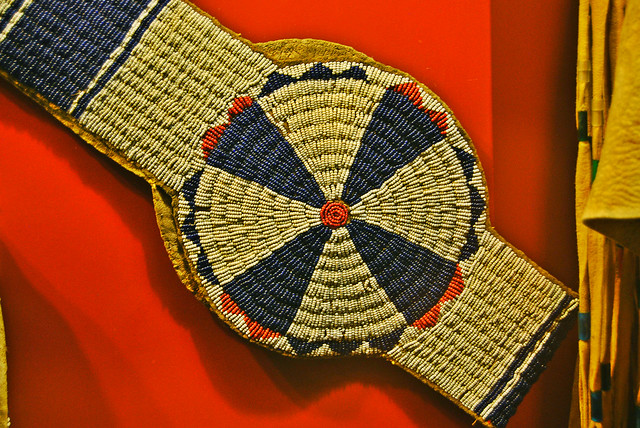
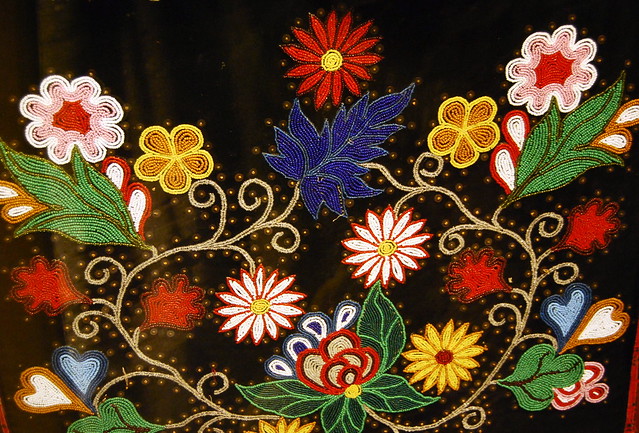
These are the hand panels on the sturdy oak doors of MacBride Hall on the University of Iowa campus. The building was constructed during the first decade of the 1900s. If these panels are original to the doors just imagine how many people have touched them - its on a generational scale.
Showing posts with label MacBride Hall. Show all posts
Friday, 17 January 2014
Thursday, 16 January 2014
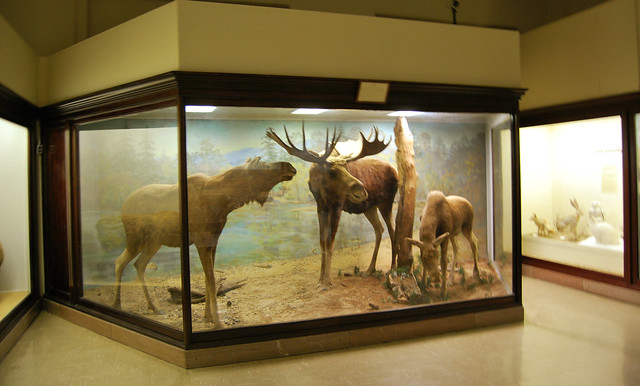
Mooses in a Glass Box
Posted on 23:55 by andrew symond
Every year there seems to be a sighting of a black bear or moose wondering around eastern Iowa. Iowa's DNR says the large animals are most likely from Minnesota, where they have treked along river, timber and corn fields in search of who knows what down here along the 42N latitude. While the latest sighting of a lone male moose was within the city limits of Cedar Rapids last month, the whereabouts of the northern creature is unknown. Here at the University of Iowa's Natural History Museum, Mammal Hall you can find a whole family of mooses. The display has been here for many years - and so have I.
Wednesday, 15 January 2014
Treasure of Iowa
Posted on 23:55 by andrew symond
American native bead work, specifically Iowan is rare, detailed and a work of art. Check it out for yourself at the Iowa Natural History Museum at Macbride Hall in Iowa City, Iowa. Imagine how these are made. How do the makers get the beads? How is the pattern crafted? How long does it take to make this? Maybe someone knows.
Wednesday, 17 July 2013
Rusty the Giant Sloth To Get Company
Posted on 20:10 by andrew symond
Ice Age Iowa hosted a particularly interesting creature - a giant sloth. At the Natural History Museum at Macbride Hall, in Iowa City is this display of a life size giant sloth, nicknamed Rusty. Recently nearly complete sets of huge sloth bones have been found in the state and are being prepared to join Rusty on display. For 28 years this display has been the center point for the museum including dressing Rusty on holiday ocassions. This practice ended sometime this year as his fur has shown wear from festive use. There is no timetable for the bones to be on display but the chatter around the museum is that the display will be forthcoming soon.
Sunday, 6 January 2013
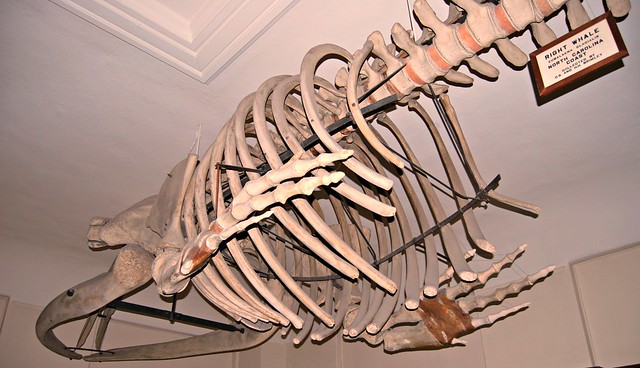
Whale Bones in Iowa
Posted on 12:47 by andrew symond
Yes, Iowa was once covered by a shallow marine sea. Today the result of that long ago sea are layers of limestone found just under the prairie soil. Some of the rock contain fossils of small marine creatures like coral, snails, fish and a few larger marine creatures.
To see these suspended whale bones you need to visit the Natural History Museum at Macbride Hall on the University of Iowa's main campus. A Right Whale's skeleton was collected early last century on a North Carolina shore and brought to the university for study and eventual display. Many a schoolchild and adult has marveled at this creature's size and bone makeup. The whale is located in the museum's mammal hall section. The other side of the building contains bird hall and is filled with all types of feathered creatures including a detailed observation post of a remote Pacific island sanctuary visited by UI researchers a hundred years ago. The lower middle portion of the building houses the third section of the museum and features a walk through Iowa's pre-history. Come check it out. Admission is always free.
Wednesday, 11 July 2012
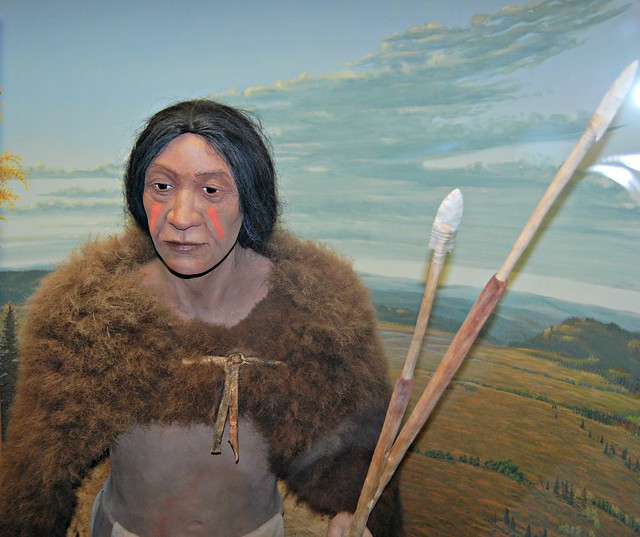
Early Iowan was Clovis Hunter
Posted on 15:37 by andrew symond
A visit to a local museum brings you face to face with a replica of early hunters in Iowa. What has been found over the years are Clovis points. These chiseled stone tools, named for a site in New Mexico have been found all over North America including Iowa. The distinctive white stone is called Burlington chert. Clovis points found in Iowa are estimated to be from the era 10,000 to 9,000 years BC. They represent the earliest known occupiers of Iowa and coincide with the retreat of the last glacier event through these parts. The exhibit can be seen along with other points of interest at the Museum of Natural History, MacBride Hall, University of Iowa in Iowa City, Iowa.
Saturday, 7 July 2012
Touching Iowa's Glacial Past
Posted on 19:14 by andrew symond
Iowa is a land shaped by glaciers that receded some 13,000 years ago. Two of the more unique examples of what glaciers influence can be found at MacBride Hall's Natural History Museum on the University of Iowa campus in downtown Iowa City. One item is a hunk of native copper that was glacially transported here from northern Minnesota, Wisconsin or Canada. The other artifact is glacial grooved limestone where parallel scratches made from pressure and movement can be seen and felt. These items provide an ongoing opportunity for anyone to touch something created by glacial forces long ago.
The copper and limestone are positioned side by side as part of a short narrative slideshow. Yes, an old fashion, 35mm slideshow complete with tray and audio components. This particular display has been present for some thirty years and seems positively glacier-like in its ability to tell a story compared to modern audio-visual aids. Still, you get the message and can feel the history.
Sunday, 25 December 2011
Iowa Native Beadwork Vest
Posted on 23:48 by andrew symond
Museums showcase many things. In between the pottery, spear points and ceremonial pipes crafted by Iowa natives (Chippewa, Mesquakie and Ioway) is this portion of a vest. It is displayed at the University of Iowa's MacBride Hall Museum of Natural History among the shoes and other outer wear.
This section of the museum is easily overlooked by students because it does not compare to the replica giant sloth (named Rusty) or display of geologic fossils. However the vest is worthy of the same scrutiny of any piece of art. Look at the design and work effort required to assemble the vest. Rusty might be able to draw the crowds of kids, but the museum's diverse display of early Iowa culture will keep them coming back for decades. Know that.
Subscribe to:
Posts (Atom)